
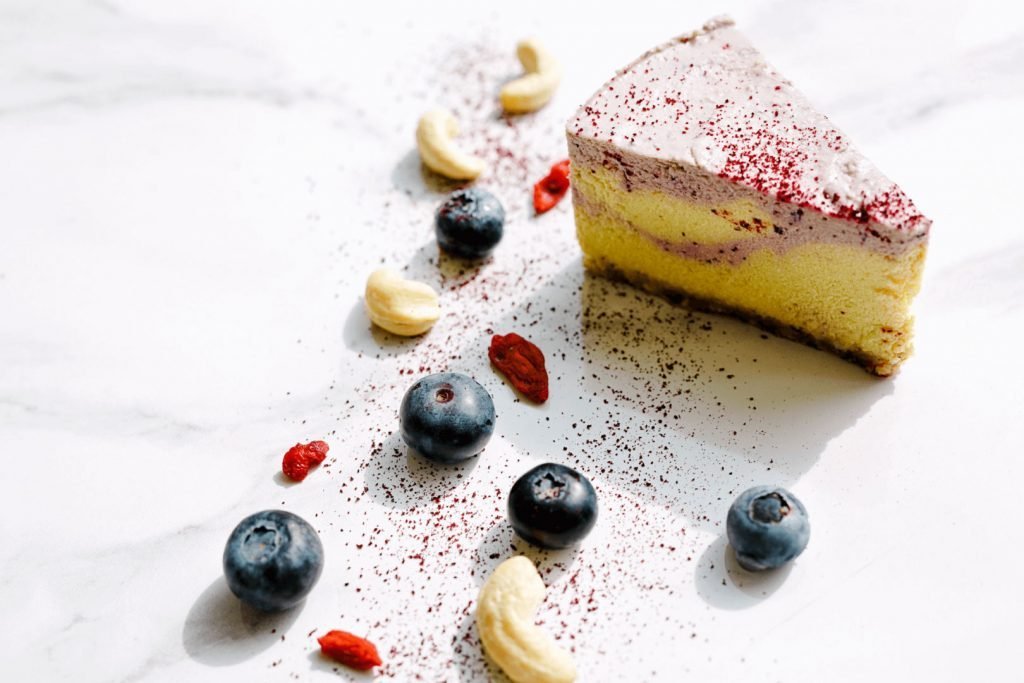
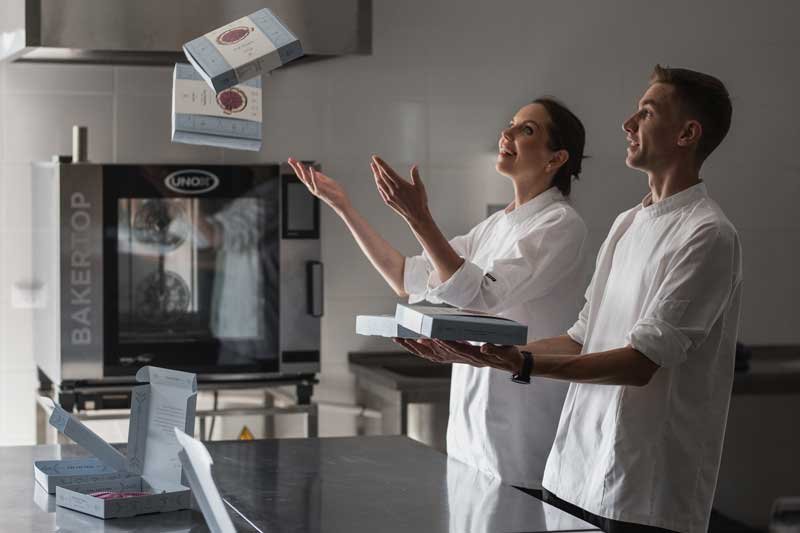
For the past six months, Klaipėda couple Agnė and Raimondas Zabiela have been surprising people in Lithuania's largest cities with unusual sweet recipes. Their dessert brand Gėrybė makes cakes and mini cakes without sugar, milk, eggs or flour, using nuts, fruit, berries and other natural ingredients instead.
“We see more people affected by gluten or lactose allergies, and demand for our products keeps growing,” say the founders, who plan to explore international markets soon.
Cooking as a way to relieve stress
Agnė and Raimondas have known each other since school in Klaipėda. After studying management, they moved to the United States and worked for a logistics company. “That experience was invaluable: it was there that I realised office work wasn't for me,” Agnė smiles.
The job was stressful and demanding, and a new hobby helped Agnė unwind: cooking. “It fascinated me because I was a beginner. I kept looking for recipes, from cabbage rolls and meatballs to gourmet desserts. I cooked so much that we couldn't eat it all,” she laughs.
Back in Lithuania, Agnė decided to learn more about cooking. She volunteered in a Klaipėda restaurant for a few months, took private confectionery lessons and began making desserts herself. Then she had the idea of selling cake decorations, food colouring and moulds, which had been difficult to find in Lithuania six years earlier.
“My husband and I opened an online shop. Demand was strong, and we ran it successfully for four years. But when our son Jonas was born, we reached a turning point: expand that business or begin something new and meaningful? We chose to sell it and look for new ideas,” she recalls.
Their son inspired the business
The next idea came quickly and naturally. “Our newborn son had colic. As I was breastfeeding, I gave up foods such as sugar, milk and flour. Avoiding almost all sweets was particularly frustrating. I enjoyed fruit for a while, but eventually realised I needed alternatives to traditional desserts that I could enjoy while keeping my baby comfortable. Sweets are not just food: they are a positive emotion,” Agnė explains.
While Agnė was dealing with her son's colic, many other breastfeeding mothers she knew spoke about similar difficulties. Those conversations also showed how many people struggle with lactose or gluten intolerance, alongside others who consciously avoid those ingredients.
Seeing growing demand for alternative sweets, Agnė and Raimondas set to work and created Gėrybė that summer. “We spent many days looking for suppliers of high-quality ingredients without artificial colours or sweeteners. Developing recipes was another big challenge. With nobody to consult, we read online, experimented and asked family and friends to taste the results,” they laugh.
Agnė was especially moved when a mother who ordered a cake cried with happiness: her three-year-old daughter would finally taste birthday cake for the first time. Previously, she had been unable to find a baker who could avoid the ingredients her child was allergic to.
The couple did not reveal their production secrets, but mentioned nuts, fruit, berries, coconut and cocoa butter. They replaced ordinary sugar with less familiar ingredients such as coconut blossom nectar and maple syrup.
The secret of a successful business
They rented comfortable, spacious production premises near the city centre and soon began taking part in food exhibitions. They believe exhibitions are essential for start-ups, helping founders discover whether the market actually wants what they offer.
At present, they supply cafés in Lithuania's main cities and plan to expand abroad. “Although demand is growing and we consider our start successful, we are still testing the idea. Communication matters too: not everyone understands that a healthier dessert can taste delicious and look beautiful. Time and people will tell us whether we're on the right path,” says Raimondas.
For the couple, the secret is simple: “Things get done by doing them,” Raimondas laughs.
Klaipėda: a perfect city for business
Before launching the business, the couple considered moving to Vilnius, where a larger population seemed to offer more opportunities. Today, they are glad they stayed in their home city.
“If we had wanted to open a café, a place with more foot traffic would have made sense. But we only want to manufacture, and we're delighted to do it in Klaipėda. It is ideal for start-ups and has many advantages over the capital: lower rents and no traffic jams. Home is just a few minutes from work, and the city centre is equally close,” says Agnė.
“We calculated that living in Klaipėda saves us at least five hours a week, which we can spend on production, new recipes or simply being with our family,” Raimondas adds.