
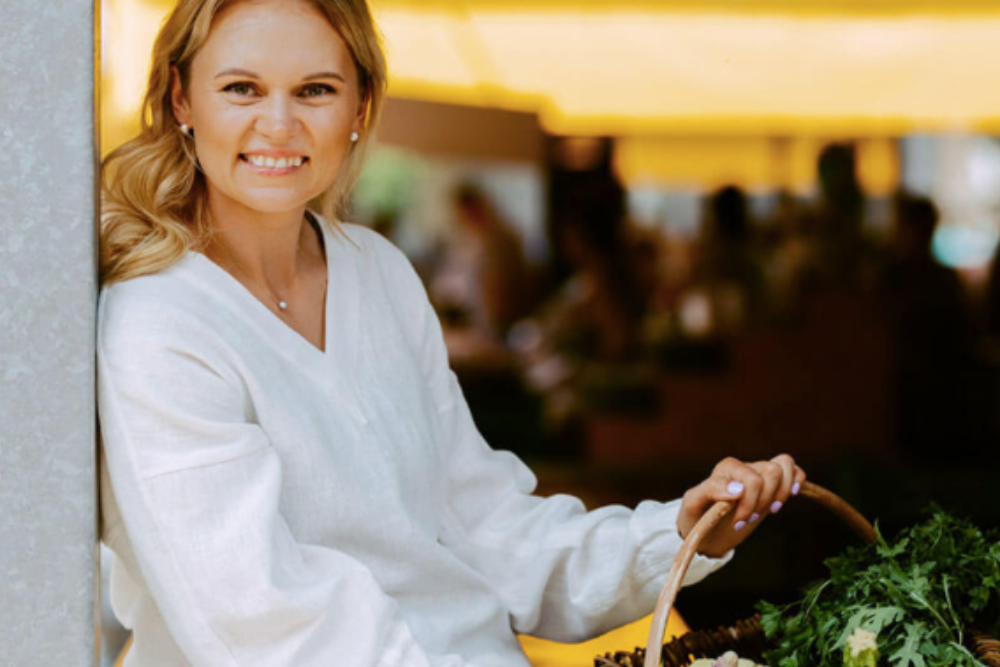
There is no denying that a balanced everyday diet helps us stay energetic, creative and productive. Many of us have heard that carbohydrates are best eaten in the morning, leaving protein and fats for later in the day. These principles have followed us since our school days. But when our surroundings and habits change so quickly, and physical activity can sometimes mean little more than walking from the car to the house or from home to the shop, should we still stick to long-established eating rules?
We invited therapeutic nutrition specialist and Gydanti Lėkštė founder Ingrida Kuprevičiūtė to discuss this in a live conversation.
Let's start simply, Ingrida. What is your daily routine? What do you eat for breakfast?
Honestly, my breakfasts are very ordinary and simple. I would like to encourage people to move away from breakfasts based entirely on carbohydrates. We often choose porridge with fresh or dried fruit, which essentially means carbohydrates with more carbohydrates. That can cause blood sugar to rise sharply and then fall again, leaving us hungry soon afterwards.
My advice is to balance breakfast: do not eat carbohydrates on their own, but include a source of fat and/or protein to slow the rise in blood sugar. If you choose porridge, try adding nuts or seeds. I also recommend eggs, scrambled eggs with plenty of vegetables, or salads as good options for a balanced breakfast.
What do you think about fresh fruit juice at breakfast? It offers quick energy from carbohydrates, but also a lot of fruit sugar that enters the bloodstream quickly.
That is a good observation. Travelling around Lithuania and teaching in schools, I notice that children and teenagers drink many soft drinks while their physical activity has fallen. Liquid calories are not a great choice. If a child drinks juice and then sits in class, excess sugar that is not used for energy can be stored as fat and cause problems over time. I always encourage people to eat fruit rather than drink its juice.
What would you recommend for lunch and dinner to make our diet as balanced as possible?
From my work with clients, I would ask everyone to pay much more attention to vegetables and include at least a few in every meal. Choose vegetable soups, stews and salads with meat or fish. Try eating smaller amounts of meat and fish, but choose the best quality you can, responsibly and organically produced where possible.
Be creative with vegetables and give them a central place. Instead of pasta with meat, try courgette noodles, or replace mashed potatoes with cauliflower or broccoli mash. Vegetables can become part of our everyday routine in many ways, and can be both delicious and healthy.
You also encourage including healthy fats in our diet. What would you recommend most?
We certainly need them. Good sources include nuts, avocados, especially unrefined extra virgin olive oil, olives themselves, avocado oil, macadamia nuts and oily fish.
Let's talk about sweets. Is there a time of day when sugar is used most efficiently and you would recommend eating dessert?
I would say the first half of the day, when we tend to be more active and can use those carbohydrates for energy. As metabolism and activity slow in the evening, eating sweets before lunch would be ideal. The same applies to fruit.
What should we look for when choosing a sweet treat? We know to avoid palm fats and artificial colours. What else matters?
Speaking personally rather than professionally, if you allow yourself a slice of cake at a celebration, enjoy it fully without guilt. There are many alternatives available, including treats without added sugars, whereas supermarket cakes are often mixtures of fat and sugar. Eating something sweet all the time should not become the norm; we especially tend to indulge children. I suggest having sweets less often: my daughter and I have one dessert day a week. If you want them more often, look for more natural alternatives.
What about coffee? Does caffeine affect how sugar is processed?
Much depends on whether you drink coffee on an empty stomach. For some people, caffeine can act as a stressor and raise blood sugar. People metabolise caffeine differently, so it is individual. In practice, we do see a risk of increased blood sugar when coffee is drunk first thing on an empty stomach.
Ingrida also answered questions from viewers. Here are a few; the full conversation is available in the recording.
Which nut butter would you recommend?
A variety: hazelnut, for example, or almond and macadamia if you have no allergies. They all have useful qualities, so vary them and see which suits you best.

Do home-grown vegetables still contain nutrients by spring?
We need vegetables in any case. Choose locally grown produce, and fermented vegetables are a good option outside the growing season. I buy vegetables in winter too, because whatever their quality, they still provide nutrients. Lists of produce with higher and lower contamination levels can help you decide which to buy organically. Look for small biodynamic farms growing fruit and vegetables in modest quantities.
Is a sugar-free energy drink every day harmful?
In short, yes. Even sugar-free versions are not a good choice, since they usually contain sugar substitutes to achieve the taste. I would strongly limit energy drinks. I prefer natural alternatives such as chaga, reishi and shiitake mushrooms, and matcha tea. In my view, these can replace coffee by providing energy and supporting immune regulation; matcha, for example, helps alertness and concentration.
What three things could we start doing today to feel more energetic, productive and cheerful tomorrow?
First, drink fluids in the morning, ideally warm water, to replace fluid lost overnight and encourage bowel activity. It also helps counter the dehydration that can make blood more concentrated.
Second, stomach acidity falls with age. Adding lemon juice or apple cider vinegar to morning water can help support stomach function.
Finally, consciously eat more vegetables. Make them part of every meal.
It is also important to help your body maintain stable blood sugar: do not eat carbohydrates on their own, but combine them with protein or fat.
Thank you to therapeutic nutrition specialist Ingrida Kuprevičiūtė! You can find more information and contact Ingrida at www.gydantilekste.lt.
Stay well and full of energy!
Agnė from Gėrybė